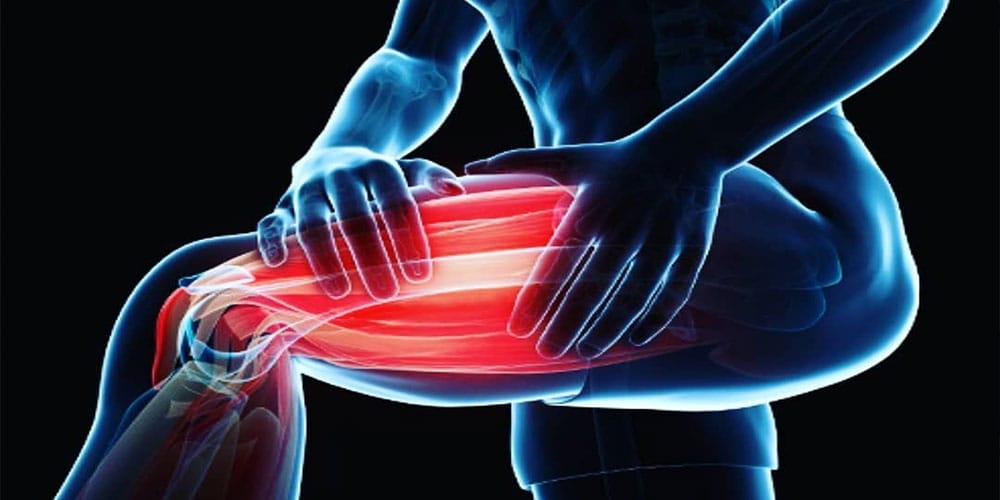
Orthopaedics, also known as orthopaedic surgery, is the branch of medicine that focuses on the skeletal system and its interconnecting parts — including bones, muscles, joints, ligaments and tendons.
Muscle cramps
Have you ever been jolted awake in the middle of the night by painful muscle cramps, or had a sudden spasm while exercising that forced you to stop? If so, you're not alone.
According to studies, up to 60% of adults experience nocturnal leg cramps, while 39% of athletes report painful muscle cramps during or after exercise. These statistics show just how common cramps are — but by recognising the real causes and taking preventive measures, you can protect yourself.
Who is most likely to experience muscle cramps?
- People over the age of 65
- Athletes
- Infants
- Pregnant women
- People who are obese
Symptoms and causes of chronic muscle cramps
| Symptoms | Causes |
|---|---|
| Muscle pain | Not enough stretching |
| Muscle weakness | Muscle fatigue |
| Coordination issues | Exercising in extreme heat |
| Difficulty sleeping | Dehydration |
| Paralysis | Electrolyte imbalance |
5 superfoods to combat muscle cramps
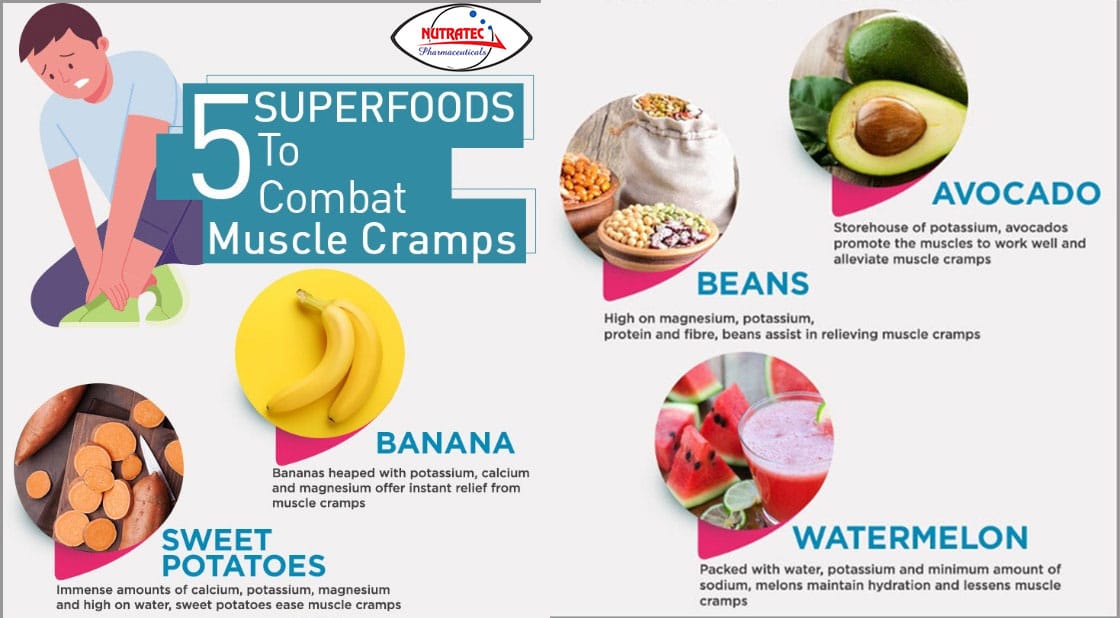
- Sweet potatoes — rich in calcium, potassium and magnesium, and high in water.
- Banana — heaped with potassium, calcium and magnesium for instant relief.
- Beans — high in magnesium, potassium, protein and fibre.
- Avocado — a storehouse of potassium that helps muscles work well.
- Watermelon — packed with water and potassium to maintain hydration.
Winter wellness
Winter often tempts us to hibernate and put exercise on the back burner. But staying active through the colder months is crucial — it combats winter lethargy and weight gain, boosts mood and supports the immune system.
- Reduced risk — regular activity lowers the risk of heart disease, type-2 diabetes, strokes and certain cancers.
- Enhanced immunity — exercise supports immune function, important for fending off winter illness.
- Mental well-being — physical activity reduces fatigue, lifts mood and helps manage stress.
- Outdoor benefits — exercising outdoors exposes you to natural light, improving sleep and overall well-being.